
For US healthcare providers

FINEARTS-HF (N=6001) was a randomized, double-blind, placebo-controlled, multicenter phase 3 trial that evaluated adult patients with heart failure with left ventricular ejection fraction (HF LVEF) ≥40%. The median follow-up period was 2.7 years.1
EFFICACY
In the FINEARTS-HF trial of adult patients with HF LVEF ≥40%
KERENDIA significantly reduced the composite risk of CV death and total HF events1*
The primary composite endpoint consisted of CV death and total (first and recurrent) HF events comprised of hospitalization for HF and urgent HF visits1
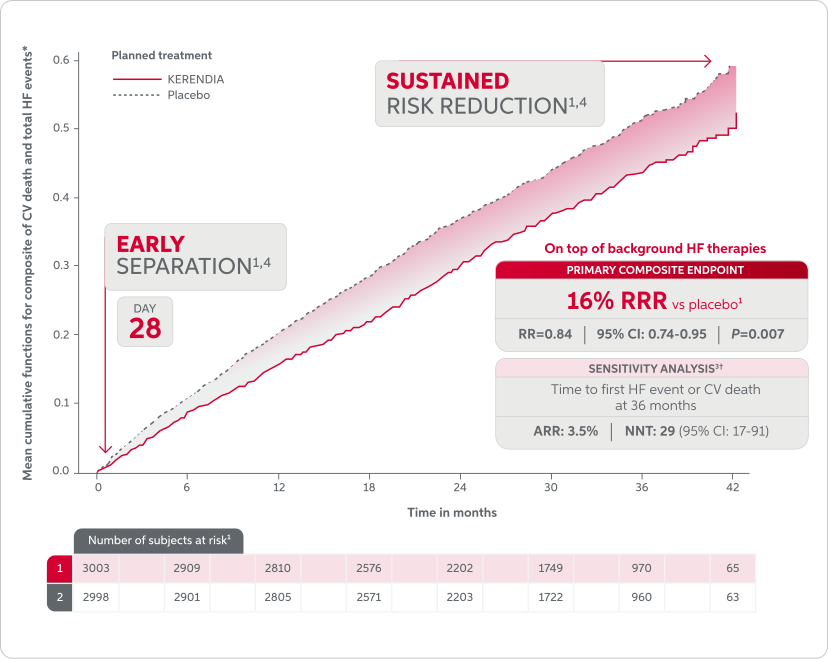
- Total HF events*: 18% RRR vs placebo (RR=0.82 [95% CI: 0.71-0.94]; P=0.006)1
- CV death: 7% RRR vs placebo (RR=0.93 [95% CI: 0.78-1.11])1
*An HF event was defined as first or recurrent hospitalization for heart failure or urgent visit for heart failure.6
†In a prespecified sensitivity analysis, the time to first HF event or CV death was evaluated at month 36 to calculate NNT and ARR, as determined by the FINEARTS-HF Steering Committee (RR=0.84 [95% CI: 0.76-0.94]).5,6
subgroup analysis
In a prespecified exploratory subgroup analysis
KERENDIA showed a consistent treatment effect across all subgroups, including SGLT2i use1
Treatment effect with or without baseline SGLT2i use1,7
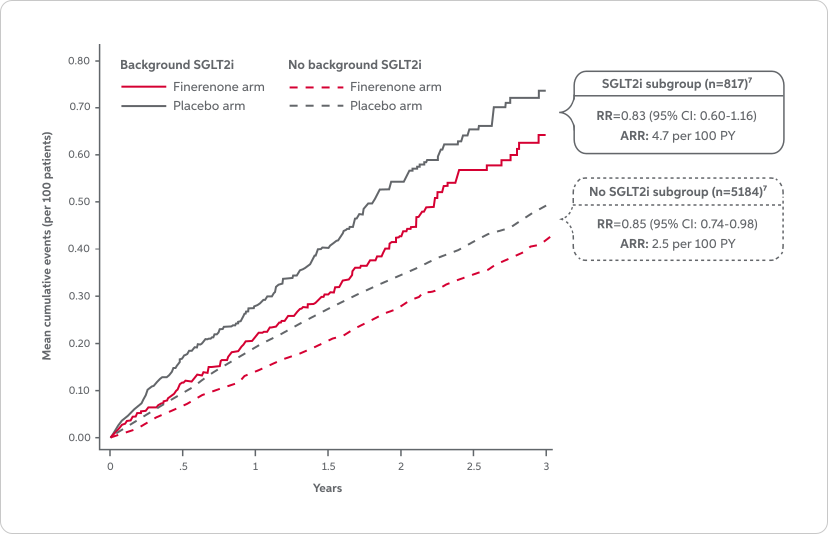
Adapted from Vaduganathan M, Claggett BL, Kulac IJ, et al. Effects of the nonsteroidal MRA finerenone with and without concomitant SGLT2 inhibitor use in heart failure. Circulation. 2025;151(2):149-158.
Additional prespecified exploratory subgroups with consistent treatment effect include1:




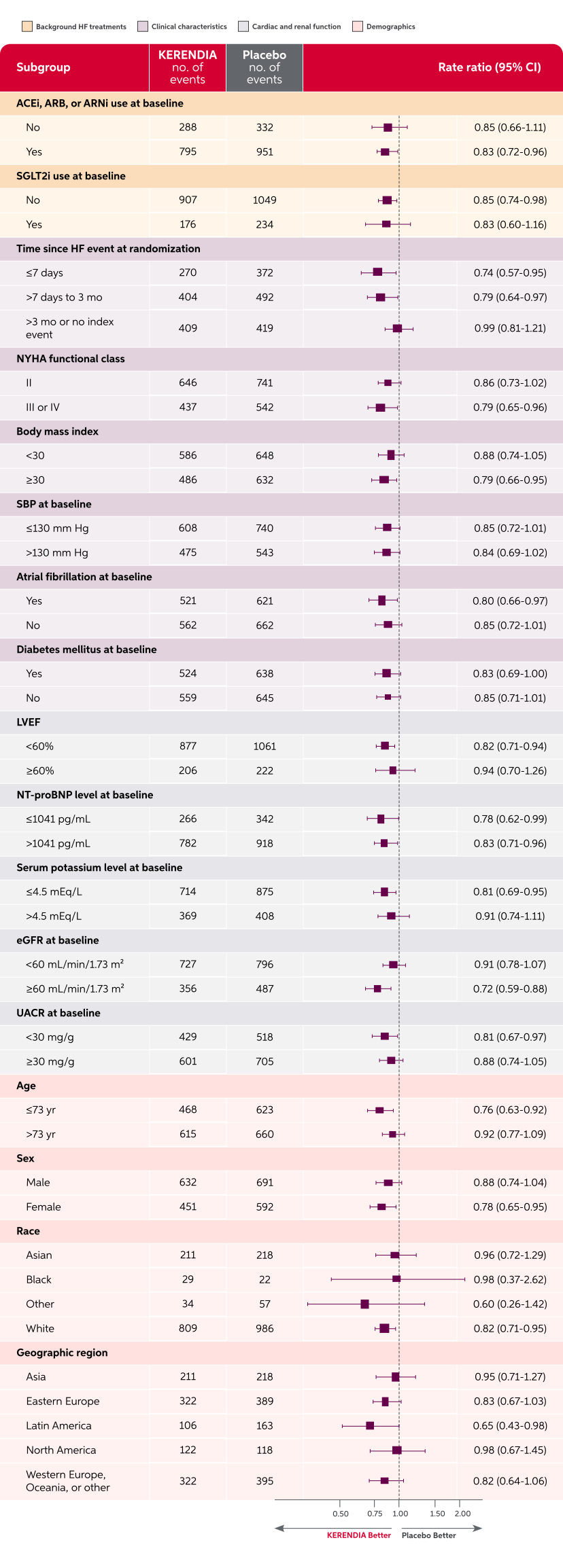
From The New England Journal of Medicine, Solomon SD, McMurray JJV, Vaduganathan M, et al. Finerenone in heart failure with mildly reduced or preserved ejection fraction, 391(16), 1475-1485. Copyright © 2024 Massachusetts Medical Society. Reprinted with permission from Massachusetts Medical Society.
All prespecified exploratory subgroups were underpowered. Results should be interpreted with caution.6
*Mean cumulative events for the composite of CV death and total HF events. An HF event was defined as a first or recurrent hospitalization for heart failure or urgent visit for heart failure.6,7
PHARMACOLOGY
Select pharmacological properties and indications of MRAs1,8-11
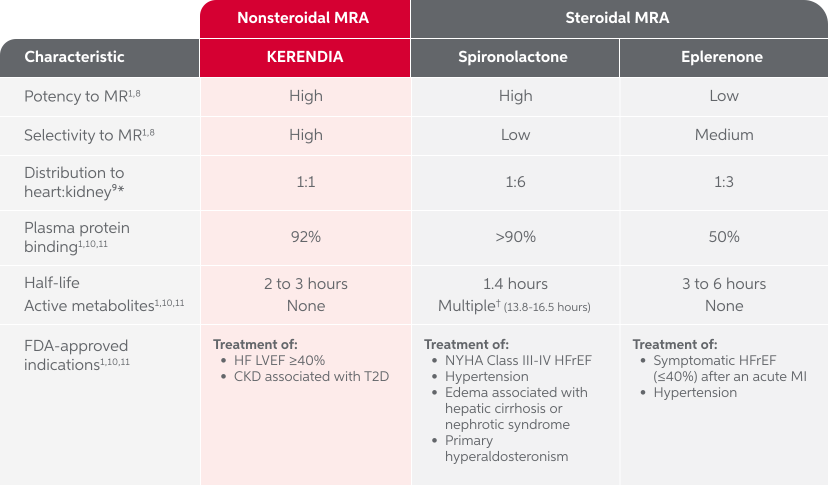
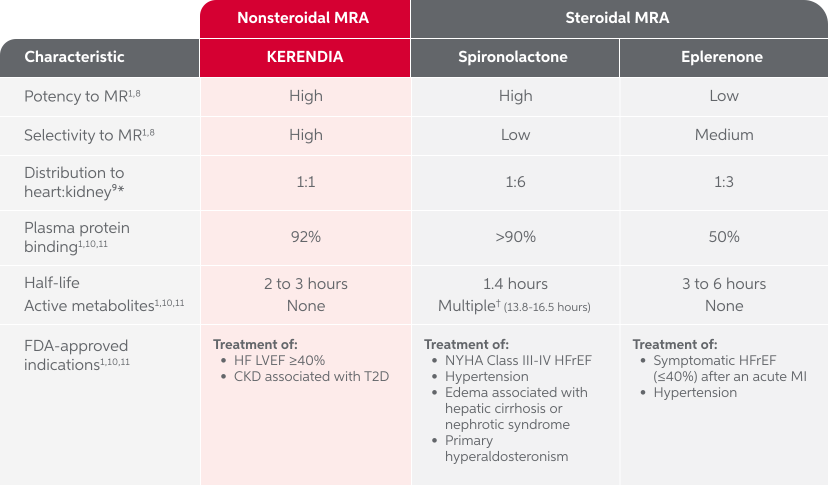
*Based on preclinical animal models. The clinical consequences of these characteristics are unknown.9
†Active metabolite (half-life) = canrenone (16.5 hours), 7-α-thiomethylspirolactone (13.8 hours), 6-β-hydroxy-7-α-thiomethylspirolactone (15 hours).10
This chart represents select PK/PD parameters. Please see the respective Prescribing Information for each product for complete product information. This chart does not imply a comparison of safety or efficacy data.
KERENDIA has no relevant affinity for androgen, progesterone, estrogen, and glucocorticoid receptors1
Safety
FINEARTS-HF evaluated ~6000 adult patients with HF LVEF ≥40% taking KERENDIA or placebo
KERENDIA has a generally well-tolerated safety profile1,5
Adverse reactions reported in ≥1% of patients on KERENDIA and more frequently than placebo1,5,6
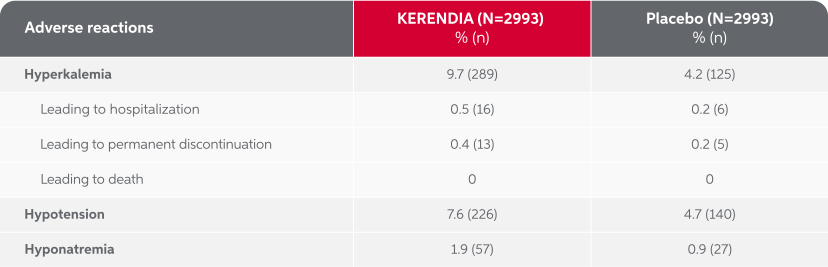
Adverse reactions related to worsening renal function were reported more frequently in the KERENDIA group (18%) vs placebo (12%) in FINEARTS-HF. The most frequently reported adverse reactions included renal impairment (7% vs 4%), eGFR decreased (5% vs 4%), acute kidney injury (4% vs 2%), and renal failure (3% vs 2%). The majority of events were reported to be mild to moderate. These events led to dose modifications in 9% receiving KERENDIA vs 4% receiving placebo. Hospitalization due to events related to worsening of renal function for the KERENDIA group was 2.0% vs 1.3% with placebo.1
Initiation of KERENDIA may cause an initial small increase in blood creatinine levels (mean change <0.1 mg/dL) and a small decrease in eGFR (mean change 2 to 3 mL/min) that occurs within the first 4 weeks of starting therapy and then stabilizes. These changes were reversible after treatment discontinuation. Initiation of KERENDIA may also cause a small increase in serum uric acid. This increase appears to attenuate over time.1
Incidence of select sex-related adverse effects was similar between KERENDIA and placebo12
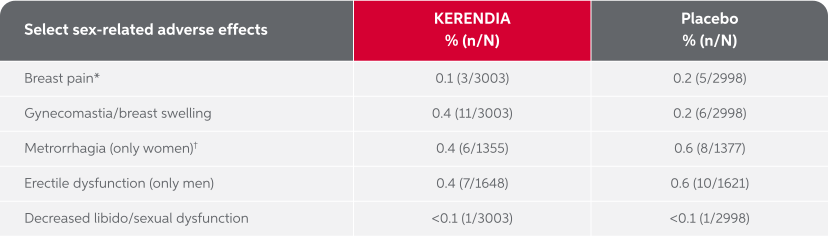
*Includes breast and nipple tenderness.12
†Includes uterine, vaginal, and postmenopausal bleeding.12
Use in pregnancy: There are no available data on KERENDIA use in pregnancy to evaluate for a drug-associated risk of major birth defects, miscarriage, or adverse maternal or fetal outcomes. Animal studies have shown developmental toxicity at exposures about 2 times those expected in humans. The clinical significance of these findings is unclear.1
Permanent discontinuation due to adverse events was similar between KERENDIA and placebo (3.2% vs 2.8%, respectively)5
Trial Design
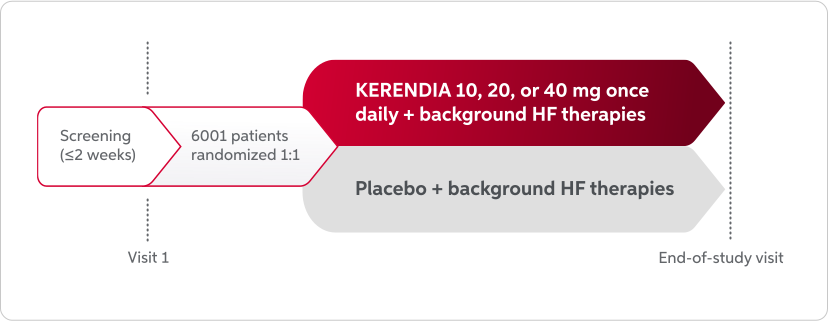
FINEARTS-HF*: The only MRA trial leading to FDA approval for adult patients with HF LVEF ≥40%1,6
FINEARTS-HF was a phase 3, randomized, double-blind, placebo-controlled, multicenter trial with a median follow-up period of 2.7 years1
Primary endpoint1:
Composite of CV death and total (first and recurrent) HF events comprised of hospitalization for HF and urgent HF visits.
Secondary endpoint1,6:
Total (first and recurrent) HF events
Select inclusion criteria1,6:
- Adults aged ≥40 years
- Diagnosis of HF (NYHA Class II-IV), ambulatory or hospitalized primarily for HF
- LVEF ≥40% documented ≤12 months ago
- On diuretic treatment at least 30 days prior to randomization
- Elevated levels of natriuretic peptides†
Select exclusion criteria6:
- MI or any event that could have reduced the EF within 90 days prior to randomization
- eGFR <25 mL/min/1.73 m2 at screening or randomization
- Serum potassium >5.0 mEq/L at screening or randomization
Select baseline patient characteristics1,6:
- Mean age: 72 years
- Mean LVEF: 53%
- LVEF ≥50%: 64%
- NYHA Class II: 69%
- NYHA Class III: 30%
- Median NT-proBNP: 1041 pg/mL
- Mean eGFR: 62 mL/min/1.73 m2
- eGFR <60 mL/min/1.73 m2: 48%
- Randomized ≤7 days from HF event: 20%
- Loop diuretics: 87%
- ACEi or ARB: 79%
- ARNi: 9%
- SGLT2i: 14%
- GLP-1: 2.8%
*In the FINEARTS-HF trial, HF LVEF ≥40% was defined as HFmrEF or HFpEF.6
†Elevated natriuretic peptide levels were defined as NT-proBNP ≥300 pg/mL (or BNP ≥100 pg/mL) in patients with sinus rhythm and no ongoing diagnosis of paroxysmal atrial fibrillation, or NT-proBNP ≥900 pg/mL (or BNP ≥300 pg/mL) in patients with atrial fibrillation.6
ACEi=angiotensin-converting enzyme inhibitor; ARB=angiotensin receptor blocker; ARNi=angiotensin receptor-neprilysin inhibitor; ARR=absolute risk reduction; BNP=B-type natriuretic peptide; CKD=chronic kidney disease; CV=cardiovascular; EF=ejection fraction; eGFR=estimated glomerular filtration rate; ESKD=end-stage kidney disease; GLP-1=glucagon-like peptide-1; HF=heart failure; HF LVEF=heart failure with left ventricular ejection fraction; HFmrEF=heart failure with mildly reduced ejection fraction; HFpEF=heart failure with preserved ejection fraction; HFrEF=heart failure with reduced ejection fraction; LVEF=left ventricular ejection fraction; MI=myocardial infarction; MR=mineralocorticoid receptor; MRA=mineralocorticoid receptor antagonist; NNT=number needed to treat; nT-proBNP=N-terminal pro-B-type natriuretic peptide; NYHA=New York Heart Association; PD=pharmacodynamic; PK=pharmacokinetic; RR=rate ratio; RRR=relative risk reduction; SBP=systolic blood pressure; SGLT2i=sodium-glucose cotransporter 2 inhibitor; T2D=type 2 diabetes; UACR=urine albumin-to-creatinine ratio.
References:
- Kerendia (finerenone) [prescribing information]. Whippany, NJ: Bayer HealthCare Pharmaceuticals, Inc; August 2025.
- Greene SJ, et al. J Am Coll Cardiol. 2023;81(4):413-424.
- Huusko J, et al. ESC Heart Fail. 2020;7(5):2406-2417.
- Vaduganathan M, et al. J Am Coll Cardiol. 2025;85(2):199-202.
- Data on file, Bayer. As of July 2025.
- Solomon SD, et al. N Engl J Med. 2024;391(16):1475-1485.
- Vaduganathan M, et al. Circulation. 2025;151(2):149-158.
- Kintscher U, et al. Br J Pharmacol. 2022;179(13):3220-3234.
- Kolkhof P, et al. Handb Exp Pharmacol. 2017;243:271-305.
- Aldactone (spironolactone) [prescribing information]. New York, NY: Pfizer; September 2023.
- Inspra (eplerenone) [prescribing information]. New York, NY: Pfizer; August 2020.
- Chimura M, et al. JAMA Cardiol. 2025;10(1):59-70.
- Quick Links
- Patient profiles
- FINEARTS-HF in NEJM
- Dosing
INDICATIONS:
KERENDIA (finerenone) is indicated to:
- reduce the risk of sustained estimated glomerular filtration rate (eGFR) decline, end-stage kidney disease, cardiovascular death, non-fatal myocardial infarction, and hospitalization for heart failure in adult patients with chronic kidney disease (CKD) associated with Type 2 diabetes (T2D) (10 mg, 20 mg tablets)
- reduce urinary albumin-to-creatinine ratio (UACR), which is expected to reduce the risk of sustained estimated glomerular filtration rate (eGFR) decline and end-stage kidney disease in adults with CKD associated with Type 1 diabetes (T1D) (10 mg, 20 mg tablets)
- reduce the risk of cardiovascular death, hospitalization for heart failure, and urgent heart failure visits in adult patients with heart failure with left ventricular ejection fraction (HF LVEF) ≥40% (10 mg, 20 mg, 40 mg tablets)
IMPORTANT SAFETY INFORMATION
CONTRAINDICATIONS:
- Hypersensitivity to any component of this product
- Concomitant use with strong CYP3A4 inhibitors
- Patients with adrenal insufficiency
WARNINGS AND PRECAUTIONS:
Hyperkalemia: KERENDIA can cause hyperkalemia. The risk for developing hyperkalemia increases with decreasing kidney function and is greater in patients with higher baseline potassium levels or other risk factors for hyperkalemia.
Measure serum potassium and eGFR in all patients before initiation of treatment with KERENDIA and dose accordingly. Do not initiate KERENDIA if serum potassium is >5 mEq/L. Measure serum potassium periodically during treatment with KERENDIA and adjust dose accordingly. More frequent monitoring may be necessary for patients at risk for hyperkalemia, including those on concomitant medications that impair potassium excretion or increase serum potassium.
Worsening of Renal Function in Patients with Heart Failure: KERENDIA can cause worsening of renal function in patients with heart failure. Rarely, severe events associated with worsening renal function, including events requiring hospitalization, have been observed.
Measure eGFR in all patients before initiation of treatment or with dose titration of KERENDIA and dose accordingly. Initiation of KERENDIA in patients with heart failure and an eGFR <25 mL/min/1.73 m2 is not recommended. Measure eGFR periodically during maintenance treatment with KERENDIA in patients with heart failure. Consider delaying up-titration or interrupting treatment with KERENDIA in patients who develop clinically significant worsening of renal function.
MOST COMMON ADVERSE REACTIONS:
- The adverse reactions reported in ≥1% of patients on KERENDIA and more frequently than placebo were hyperkalemia (14% vs 6.9%), hypotension (4.6% vs 3%), and hyponatremia (1.3% vs 0.7%). Events related to worsening renal function were reported more frequently in the KERENDIA group (18%) compared with placebo (12%) in patients with HF LVEF ≥40%.
DRUG INTERACTIONS:
- Strong CYP3A4 Inhibitors: Concomitant use of KERENDIA with strong CYP3A4 inhibitors is contraindicated. Avoid concomitant intake of grapefruit or grapefruit juice.
- Moderate and Weak CYP3A4 Inhibitors: Monitor serum potassium during drug initiation or dosage adjustment of either KERENDIA or the moderate or weak CYP3A4 inhibitor, and adjust KERENDIA dosage as appropriate.
- Strong and Moderate CYP3A4 Inducers: Avoid concomitant use of KERENDIA with strong or moderate CYP3A4 inducers.
- Sensitive CYP2C8 Substrates at KERENDIA 40 mg: Monitor patients more frequently for adverse reactions caused by sensitive CYP2C8 substrates if KERENDIA 40 mg is coadministered with such substrates, since minimal concentration changes may lead to serious adverse reactions.
USE IN SPECIFIC POPULATIONS:
- Lactation: Avoid breastfeeding during treatment with KERENDIA and for 1 day after treatment.
- Hepatic Impairment: Avoid use of KERENDIA in patients with severe hepatic impairment (Child Pugh C) and consider additional serum potassium monitoring with moderate hepatic impairment (Child Pugh B).
Please see the full Prescribing Information for KERENDIA.